Why Small Business Bookkeeping Doesn't Require an Accounting Degree
Every independent merchant knows the feeling: the day started with a crowded shop, customers swiped cards, cash filled the till, and you worked tirelessly for 12 hours. Yet at the end of the month, after paying the wholesaler, the landlord, and the utility bills, the bank balance is uncomfortably lean.
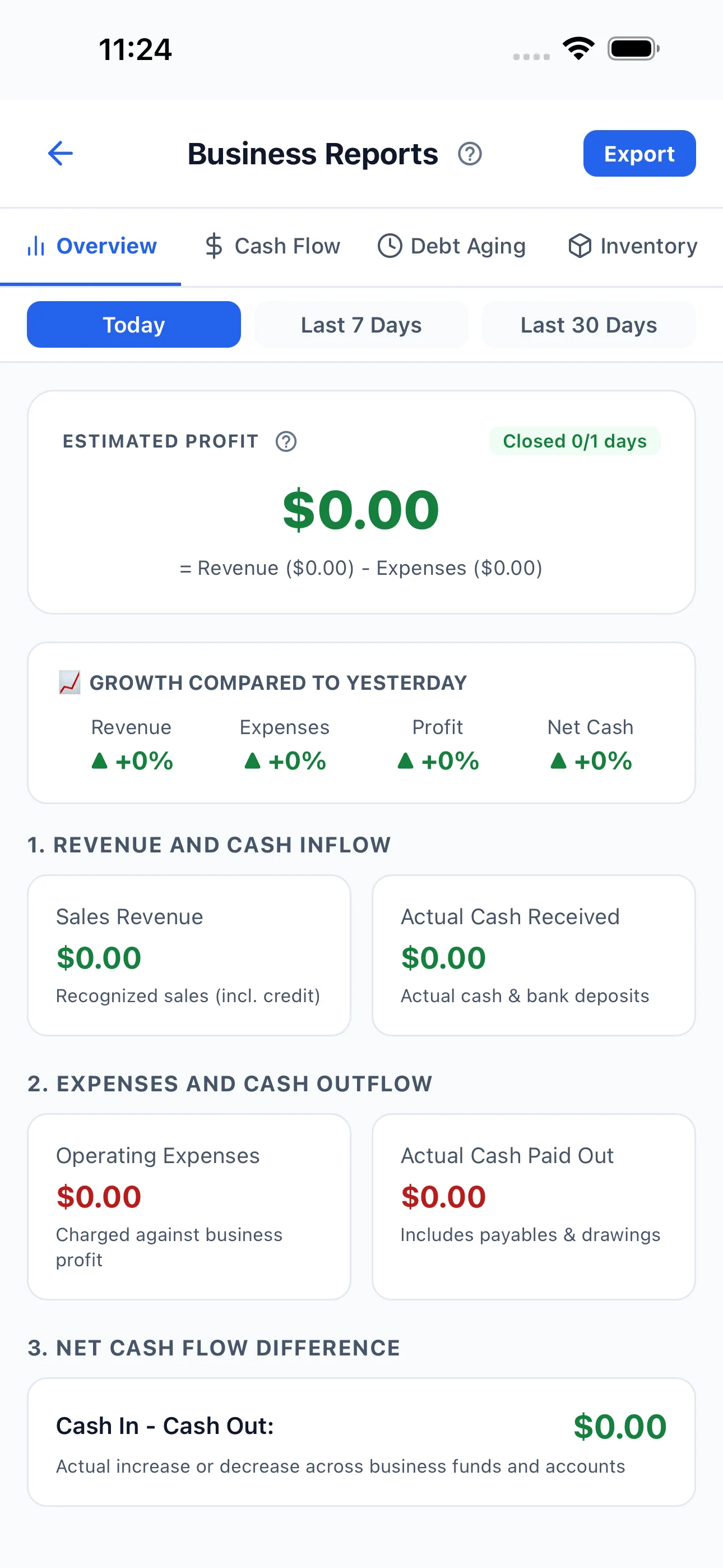
The truth is simple: cash turnover is not the same as business profit. Without structured bookkeeping, everyday operating leakages go unnoticed. You don't need complex double-entry accounting software designed for multinational corporations. What you need is a reliable, lightweight digital cashbook that records every transaction in less than three seconds.
1. The Golden Rule: Record Every Cent in Real Time
Postponing your bookkeeping to the weekend is the number one cause of inaccurate records. By Sunday evening, paper receipts are faded, loose change handed to delivery drivers is forgotten, and petty expenses slip through the cracks.
- Log immediately: Enter inventory restocks as soon as the invoice is verified.
- Tag transaction categories: Separate stock wholesale costs from operating overheads like electricity and packaging.
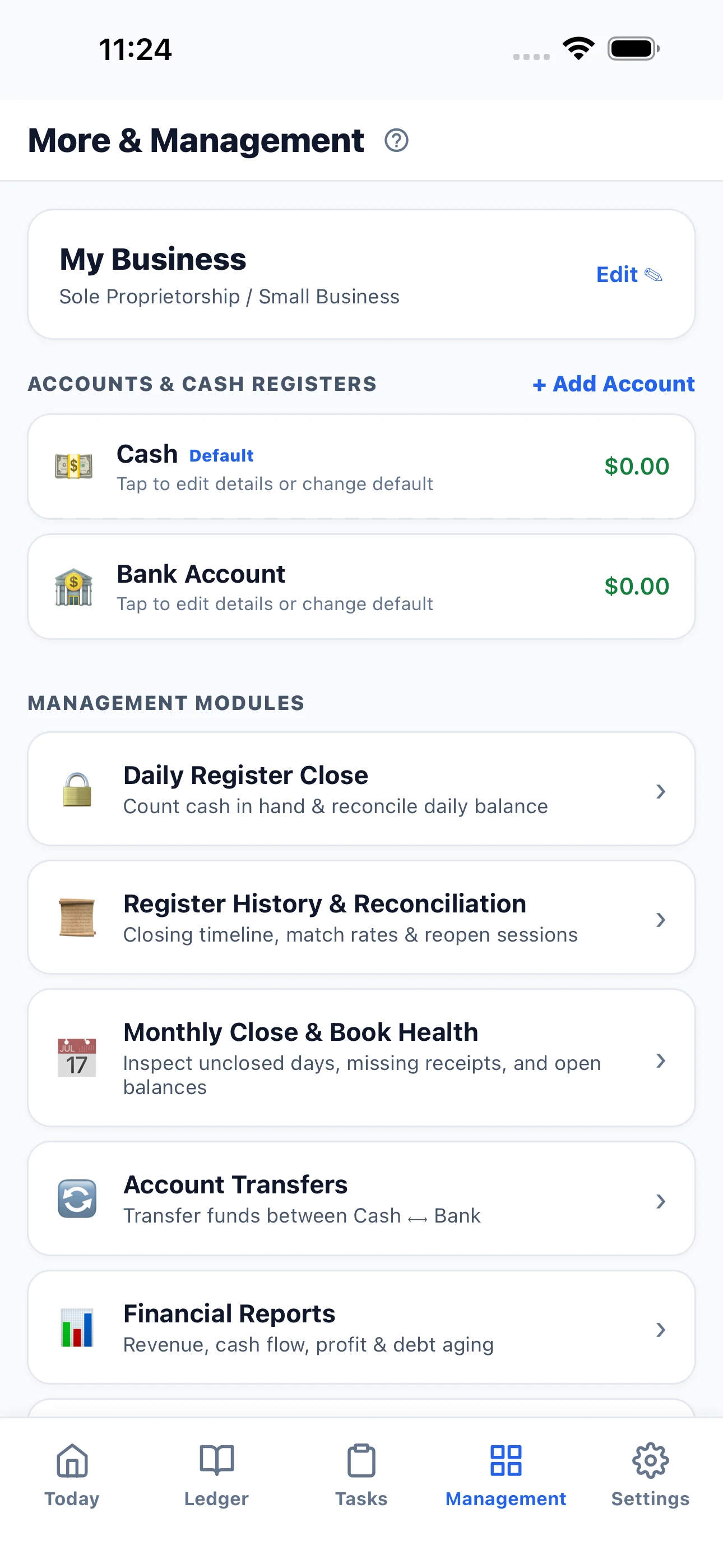
- Distinguish payment methods: Tag whether the funds went into the cash drawer, the business bank account, or an e-wallet QR code.
Take Complete Control of Your Store Numbers
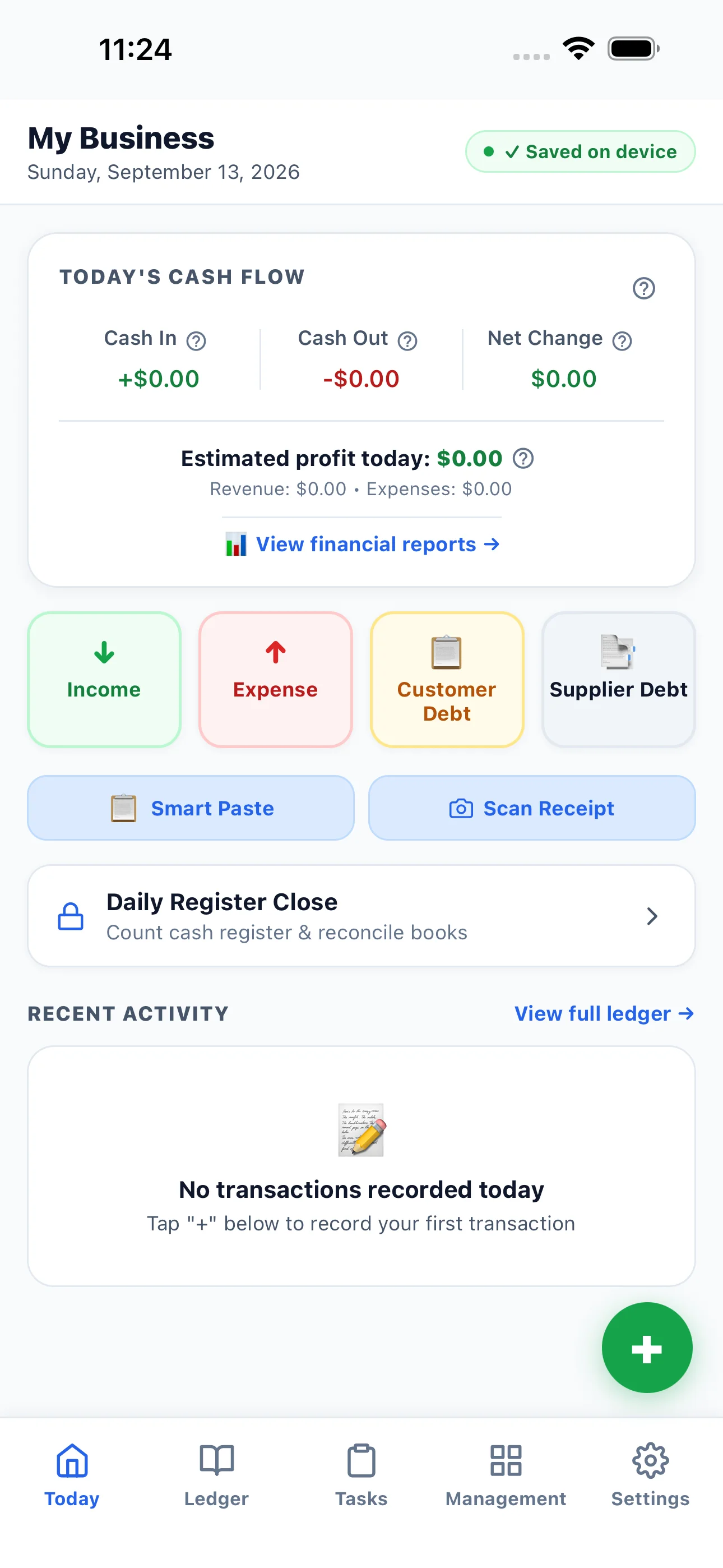
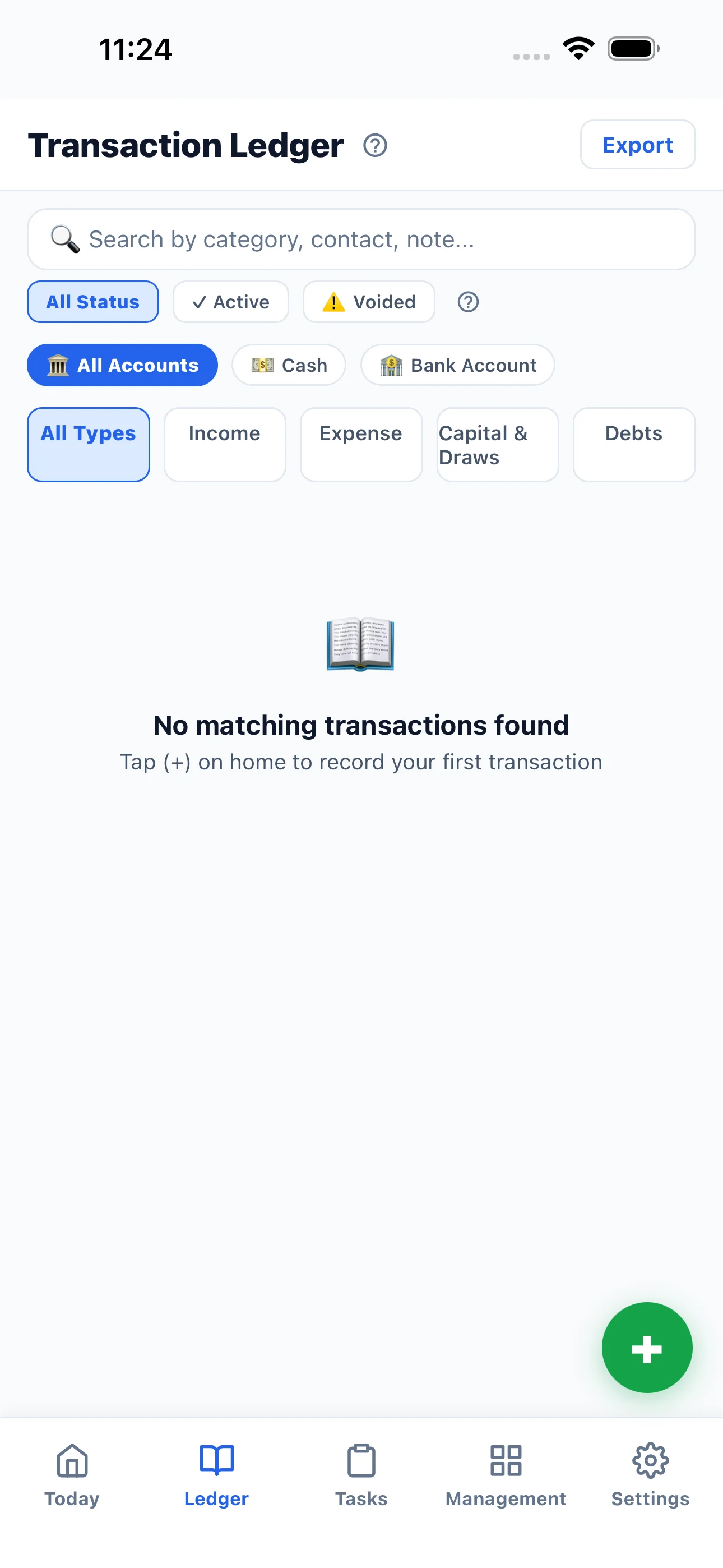
Record sales and expenses in 3 quick taps right at the counter. BizNote works 100% offline and keeps all your business records private on your device.
2. Clean Separation of Shop Cash & Personal Spending
One of the most dangerous habits among small shop owners is reaching into the till to pay for personal groceries or children's tuition fees. When personal drawings are mixed with operating funds, your profit and loss statements become distorted.
💡 Pro Shopkeeper Tip:
Always log personal withdrawals explicitly as "Owner Drawings". This keeps your cost of goods sold (COGS) and store operating margins clean and accurate.
3. Keep Customer Debt Tabs (Receivables) Strictly Organized
Allowing trustworthy regular customers to purchase on tab is part of local commerce hospitality. But unorganized paper notes lead to lost revenue and awkward misunderstandings. Maintain a digital debtor ledger where repayments are deducted using a strict FIFO (First-In, First-Out) method.
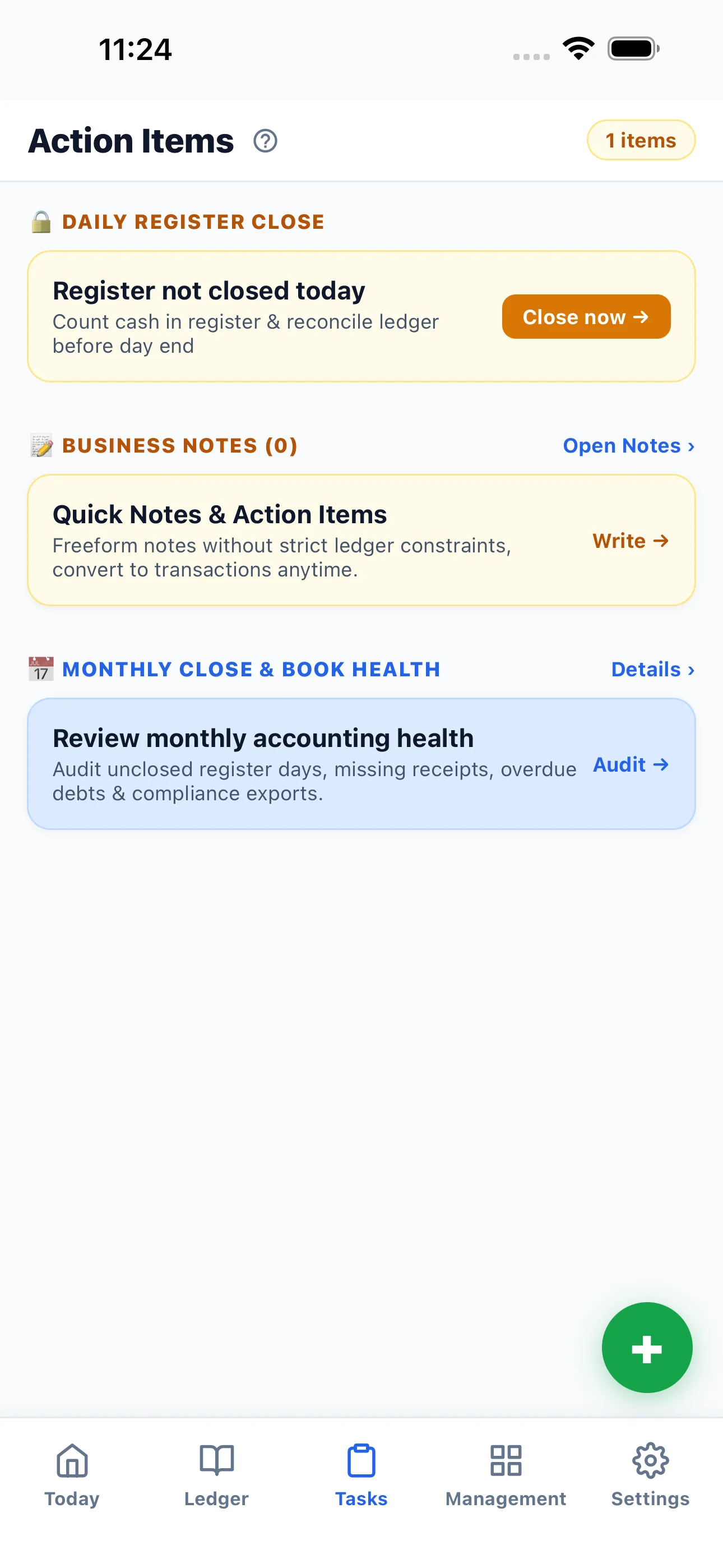
4. Establish a 3-Minute Daily Till Closing Routine
Never leave the cash drawer uncounted overnight. Counting physical cash at shift close and matching it against the day's recorded sales helps you identify till surpluses or shortages immediately before staff leave the store.
5. Prioritize Offline-First Data Security
Your store revenue, supplier discounts, and debtor records are confidential business intelligence. Choosing an offline-first bookkeeping app like BizNote guarantees that your numbers stay strictly on your phone, completely protected from cloud server leaks or internet dropouts.